What the Province Was Asking For
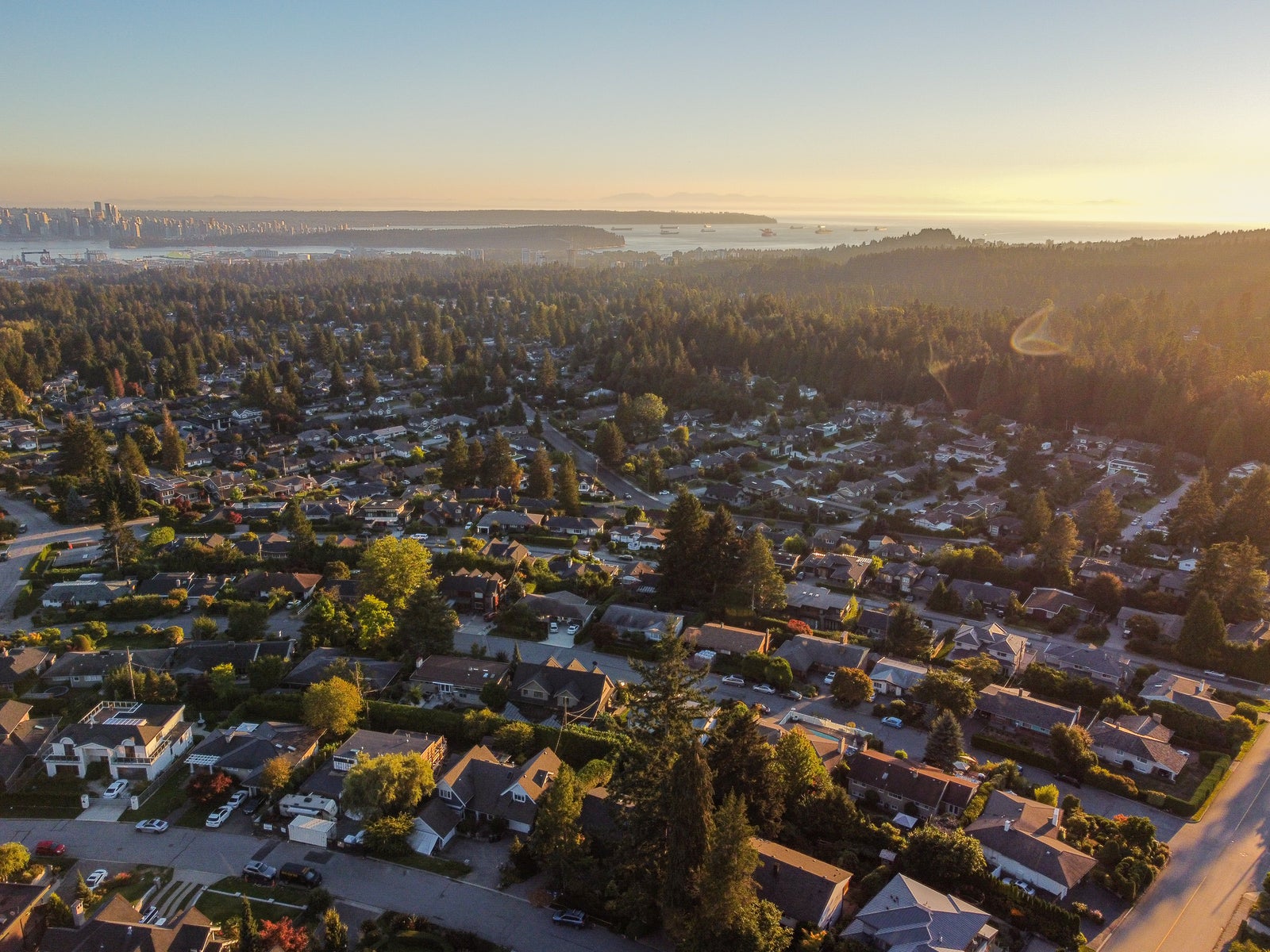
The provincial government's small-scale multi-unit housing mandate — part of a broader push to address BC's housing crisis — requires municipal councils to update their zoning bylaws to allow four to six units on single-family lots across most residential neighbourhoods.This follows an earlier round of changes in 2023, which the District of North Vancouver did adopt — allowing a suite and coach house on most single-family lots. District staff reported that first wave of changes created the potential for approximately 17,000 new housing units across the municipality.The rejected mandate would have gone further, shifting the emphasis from density concentrated in town centres to infill housing spread across all residential neighbourhoods. District staff estimated it could have added another 5,000 housing units on top of those already permitted.The province has set June 30 as the deadline for municipalities to comply. Both the District of North Vancouver and West Vancouver have now refused to move forward with the planning process — and neither has a clear path to meeting that deadline.Why Council Said No
The majority of council — Mayor Mike Little and councillors Lisa Muri, Herman Mah, and Betty Forbes — voted to reject the changes.Mayor Little argued the province's one-size-fits-all approach conflicts with years of careful local planning, and that the mandate fails to account for the infrastructure costs the district would face to service new density across residential neighbourhoods. He described the province's refusal to meaningfully consult with local councils as "very disrespectful."Councillor Muri said the mandate would create urban sprawl that would be more expensive to service and would do little to actually solve the housing affordability crisis. Councillor Mah pointed to analysis from district consultants suggesting that building small-scale units on single-family lots in the district "won't work financially and it won't result in any more affordability."Councillors Jordan Back and Catherine Pope voted in favour of the changes. Back argued the mandate would bring more flexibility and create missing-middle housing that has been largely absent from North Shore neighbourhoods for decades. Pope was direct: "Bill 25 is not optional," she said, adding it would be better to work with the province than have new rules imposed without local input.The motion to reject passed 4-3.The Coach House Problem Nobody Is Talking About
One of the most revealing moments of the council meeting came not from elected officials but from the public gallery.Several residents and industry professionals showed up to point out that the real barrier to housing supply in the District of North Vancouver isn't zoning — it's cost. Even under the existing bylaw that already permits coach houses and suites, almost nothing is actually getting built.Aidan Kyle put it plainly: "In the District of North Vancouver, a small backyard home is still treated like a large development project. It requires multiple consultants, complex servicing and drainage requirements, and in some cases, responsibility for public infrastructure upgrades. These requirements can increase total project costs by around 25 per cent."Akua Schatz of SmallWorks, a company that specializes in small-scale infill construction, told council the biggest hurdle isn't zoning at all. "It's the costs that are driven by the district." She noted that approximately eight coach houses have been built in the district over the last ten years — compared to well over 7,000 in the City of Vancouver over the same period.That gap is striking. Vancouver and the District of North Vancouver have had similar zoning permissions for years. The difference is process and cost — and that gap is entirely within the district's control to address, regardless of how the provincial standoff resolves.What This Means for the North Shore Real Estate Market
Whether you are buying, selling, or simply own property in North Vancouver, this decision has real implications.For buyers looking at single-family homes: The rejection of additional density protects the character of established North Shore neighbourhoods in the short term. Buyers purchasing detached homes in Edgemont, Lynn Valley, Canyon Heights, or Pemberton Heights can expect the neighbourhood fabric to remain largely intact. What the decision also does, however, is keep supply constrained. Less housing supply over time means sustained demand pressure on the existing stock — which supports values for current owners but makes affordability harder for buyers entering the market.For owners of single-family lots: The decision narrows — for now — the development optionality on your property. The province's mandate, if adopted, would have meaningfully increased the potential uses of a standard North Shore lot. That optionality has value. Whether the province ultimately forces compliance or the district finds a middle ground will directly affect how investors and developers value your land.For investors and those exploring development: The 4-3 vote is not the end of this story. The province has been clear that Bill 25 is not optional, and the June 30 deadline is approaching. There are several possible outcomes — the province could impose the changes directly, the district could negotiate a modified approach, or this could end up in a legal dispute. Anyone making development or investment decisions based on zoning assumptions should be watching this closely.For the broader market: The underlying issue — that the North Shore has chronically underbuilt relative to demand for decades — doesn't go away because council voted 4-3. The coach house data alone tells the story: eight units in ten years in a municipality where demand for housing has never been stronger. Structural undersupply is one of the reasons North Shore values have been resilient through market cycles that hit other areas harder.Our Take
This is a genuinely complex issue and reasonable people disagree. The councillors who voted no are not wrong that provincial mandates imposed without proper infrastructure planning can create real problems. The councillors who voted yes are not wrong that the status quo — where existing permissions sit largely unused because the process is financially prohibitive — is also a failure.What's clear from the meeting is that the district has an immediate, practical problem it could address right now regardless of how the provincial standoff resolves: the cost and complexity of building small-scale infill housing under bylaws that already permit it. Eight coach houses in ten years, versus seven thousand in Vancouver, is not a zoning problem. It's a process problem — and it's one the district has the power to fix.We'll be watching how this develops ahead of the June 30 deadline and will keep our clients informed as the situation evolves.Talk to the Wallace Green Team
If you have questions about how zoning changes, development potential, or market conditions affect your specific property on the North Shore, we're happy to have that conversation.Scott Wallace, Carson Green, and Jamie Wallace have completed over 350 transactions on the North Shore since 2020. Medallion Club recognition every active year since 2018. Top Producer Award at Oakwyn Realty 2022 through 2025.Free home valuation: wallacegreen.ca/free-home-evaluation Browse current listings: wallacegreen.ca/our-listings Development and land enquiries: wallacegreen.ca/landWallace Green Real Estate Group | Oakwyn Realty | North Vancouver, BC Serving Edgemont, Lynn Valley, Lower Lonsdale, Deep Cove, Pemberton Heights, Canyon Heights, and all North Shore neighbourhoods